How Often Should You Sealcoat a Driveway?

A driveway can look fine one season and start showing wear the next. That is why homeowners often ask how often should you sealcoat a driveway, especially after a tough Connecticut winter or a hot, dry summer. The short answer is about every 2 to 3 years for most asphalt driveways, but the right timing depends on age, traffic, weather, drainage, and the condition of the surface.
Sealcoating is not just about making asphalt look dark and fresh again. Done right, it helps shield the surface from water, sunlight, oil drips, oxidation, and daily wear. It is part of a bigger maintenance plan that protects your pavement and helps you avoid larger repair bills later.
How often should you sealcoat a driveway in Connecticut?
For most residential asphalt driveways, sealcoating every 2 to 3 years is a solid rule of thumb. That schedule gives the surface regular protection without overdoing it. In Fairfield and New Haven Counties, that timing makes sense because asphalt here deals with freeze-thaw cycles, rain, snow, UV exposure, and the weight of everyday vehicle traffic.
That said, not every driveway ages at the same pace. A newer driveway in a shaded area with light use may not need attention as quickly. An older surface with full sun exposure, frequent vehicle use, or poor drainage may need service closer to the 2-year mark.
If your driveway is starting to fade from black to gray, showing small surface cracks, or looking dry and worn, those are signs it may be time to reseal. Waiting too long gives water and oxidation more time to break the surface down.
When to seal a new driveway
A newly installed asphalt driveway should not usually be sealcoated right away. Fresh asphalt needs time to cure before it is ready for a protective coating. In many cases, that means waiting around 6 to 12 months, depending on the mix, weather, and how the surface is performing.
Sealing too early can trap oils that need time to evaporate and can interfere with proper curing. Sealing too late leaves the new surface exposed longer than necessary. The right window is based on condition, not just the calendar.
If you are unsure whether a newer driveway is ready, it helps to have the surface evaluated rather than guessing. A good contractor should be willing to explain what they see and why they recommend a certain timeline.
Why the timing is not exactly the same for every driveway
Asphalt is flexible, but it is not indestructible. Over time, the binder in the pavement begins to dry out from exposure to sun, air, water, and chemicals. Sealcoating helps slow that process, but the rate of wear depends on real-world conditions.

A driveway that gets direct sun most of the day usually dries out faster than one with partial shade. A property with multiple vehicles, delivery traffic, or frequent turning and backing can wear more quickly in high-stress areas. If water tends to sit along the edges or near the garage, that moisture can shorten the life of both the asphalt and the previous sealcoat application.
Preparation matters too. A sealcoat job applied over dirt, untreated cracks, or oil spots will not perform the same way as one done after proper cleaning and repair. That is one reason professional surface prep makes such a difference in long-term results.
How often should you sealcoat a driveway if it gets heavy use?

If your driveway sees more than normal traffic, the answer to how often should you sealcoat a driveway may be closer to every 2 years than every 3. This is especially true for shared driveways, multi-vehicle households, commercial lots, or properties where heavier vehicles are common.
More traffic means more friction, more turning pressure, and more chances for oil or fluid drips to wear down the surface. The same goes for asphalt near dumpsters, loading areas, or tight parking zones where vehicles repeatedly pivot in place.
In those situations, regular inspections are just as important as the schedule itself. A surface can look acceptable from a distance but still be losing protection in high-wear sections.
Signs your driveway is ready for sealcoating
The calendar is helpful, but your driveway itself tells the real story. Color change is one of the first clues. When asphalt loses that rich black finish and starts turning dull gray, oxidation is usually underway.

Small cracks are another common sign. Hairline cracking may not seem urgent, but those openings allow water to get below the surface. Once water gets in, Connecticut winters can make the problem worse fast. Freeze-thaw cycles expand damage, leading to wider cracks, surface breakdown, and eventually potholes.
You may also notice rough texture, worn areas where tires regularly travel, or spots where oil and gas have stained the surface. Sealcoating can help protect against future damage, but if the driveway already has active cracking or structural issues, repairs should come first.
Why waiting too long costs more
One of the biggest misconceptions about sealcoating is that it is optional because it is mostly cosmetic. Appearance is part of the benefit, but the real value is preservation. Sealcoating is far less expensive than repairing widespread cracking, patching failed sections, or replacing a driveway before its time.

When asphalt goes too long without protection, oxidation hardens the surface and makes it more brittle. Brittle pavement cracks more easily. Water then gets into those cracks, weakens the base, and starts a chain reaction that leads to larger repairs.
That is why timing matters. Sealcoating works best as preventative maintenance, not as a last resort. If a driveway already has major cracks, depressions, potholes, or drainage problems, sealing alone will not fix those issues.
The best season for driveway sealcoating
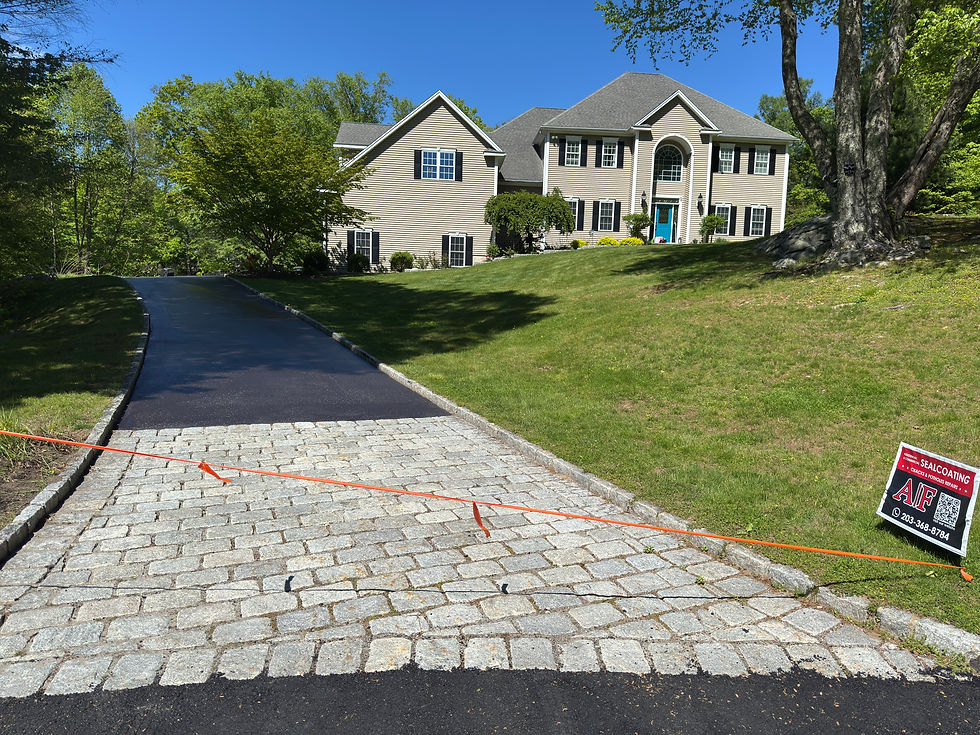
In Connecticut, timing is everything when it comes to sealcoating. To get the best results, the work needs to be done during the warmer months—typically from late spring through early fall—when temperatures, humidity, and sun exposure support proper curing.
Sealcoat requires the right conditions to dry and cure completely. If it’s too cool, too damp, or if rain is on the way, the material won't bond properly, leading to an uneven finish and a shorter lifespan. That's where local experience makes all the difference; a contractor who knows the area can watch the forecast and schedule your project for the perfect weather window.
The smartest move is always to plan ahead. Waiting until asphalt damage becomes severe, or trying to book during the peak summer rush, can leave you with limited options. Protecting your investment early ensures your pavement stays durable and looks sharp all year round.
Sealcoating works best with proper prep

A good sealcoat job starts long before any material is applied. The surface should be cleaned thoroughly, with dirt, debris, and vegetation completely removed. Oil spots need treatment, cracks should be filled, and potholes or failed sections must be repaired first.
Skipping preparation may save time in the moment, but it usually costs more later. Sealcoat is a protective layer, not a substitute for repair. If the underlying surface is unstable or damaged, the coating on top can only do so much.
That is where experienced workmanship matters. At A.F. Driveway Sealing, our focus is not just on applying product. It is on preparing the surface correctly so the finished result looks better, lasts longer, and protects your pavement the way it should. We offer free estimates and meet directly with homeowners to answer any questions. We also work with your budget—if you can't do everything at once, we can plan it out, such as tackling one major repair per year.
So what is the right schedule?
If you want a practical answer, most driveways should be inspected yearly and sealcoated every two to three years. New asphalt needs an initial waiting period to cure before the first application, while older driveways, sun-exposed surfaces, and high-traffic areas often require a shorter cycle.
The key is not to treat every driveway the same. A great maintenance schedule reflects the current condition of the pavement, how the property is used, and the harsh weather elements—like intense summer sun and winter freeze-thaw cycles—the surface faces year after year.
If your driveway is fading from black to gray, showing hairline cracks, or is simply overdue based on age, it is worth having a professional look at it before small flaws become expensive repairs. The best time to protect asphalt is when it still has years left to preserve.


Comments